Roof Inspection
Provided By Your Roofing Contractor in Alberta
Roof Warning Signs
The rains have stopped and the trees are all green. The sun shines bright and in some homes, the roof has once again begun to leak, just like last year. It is time to take a considered decision. Whether or not to go in for a roof replacement? It’s a tough decision, both from the time as well from the budgetary point of view. You have contacted your Calgary roofer and he comes over for another round of inspection. His conclusion is still the same. He suggests that it is imperative for you to go in for a roof replacement and repair is not an option now as the small leaks which existed last year have become larges patches on the wall, and they might soon lead to structural damage to the house. You decide to go in for a second opinion. You try and contact another roofer and he also makes the same suggestion.
There is a time in every house’s lifetime when it requires a roof replacement. Depending upon the initial roofing for the house, the maintenance during the life of the roof and the external weather conditions, the roof requires repairs as well as replacement. There are certain tell tale signs which indicate that a roof requires replacement. They are as follows:
- Age of the roof. The normal life of a roof done in the past is approximately 17 years depending upon the maintenance and quality of shingles for the roof. After this time, there are regular cases of leaks and torn flashings reported in any roof.
- Missing or torn shingles. If the number of missing tiles and shingles in a house are huge, then its best to replace the roof, rather than going in for a repair.
- Condition of interior walls touching the roof. The condition of the walls touching the roof is a clear indication of the time required for the roof to be replaced. In case there is loss of paint, or moisture marks on the walls indicating the seepage of water, then its time for the roof to undergo major repairs.
- Extreme weather conditions have exposed a part of the house from the top and a situation has come where a minor patch will not help calls for a roof replacement. The major cause of accelerated roof deterioration is its exposure to repeated and prolonged snow, hail, rains, and direct sunlight. In places where any one or a combination of these is found, the life of a roof is small.
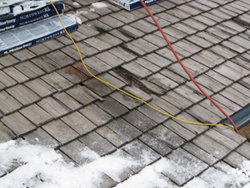
- Untreated pine shakes showing dark rot spots throughout the roof. These shakes were supposed to last 25 years, but in reality only last 10 – 14 years at the very most.
- If the tabs show severe curling, your roof may be vulnerable to shingle blow-offs, and water seepage.
- Severe wear and holes in valleys are the most critical area of concern since high water volumes travel in these areas.
Frequently Asked Questions (FAQs) About Roof Inspection
1. How often should I schedule a professional roof inspection?
As a standard maintenance best practice, residential roofs should receive a professional inspection at least once a year, ideally in late spring or early autumn before extreme winter freezes or peak summer heat waves occur. Additionally, roofs older than 15 to 20 years benefit from semi-annual assessments. You should also schedule an immediate inspection following severe localized weather events, such as hail storms, wind gusts exceeding 50 mph, or heavy tropical storms, even if no visible damage appears from ground level. Regular inspections establish a documented maintenance history, which helps preserve manufacturer shingle warranties and validates future insurance claims.
2. What are the most common signs that my roof needs an immediate inspection?
While certain roofing issues are readily apparent, many vulnerabilities develop beneath the surface. You should request an inspection immediately if you observe:
- Interior indicators: Water stains or discoloration on ceilings and upper walls, damp attic insulation, peeling drywall paint, or persistent musty odors in upper living areas
- Exterior shingle distress: Missing, cracked, curled, or buckling shingles, as well as bare patches where protective mineral granules have eroded
- Gutter accumulation: Noticeable build-up of dark granules collected in gutter troughs or around downspout splash blocks
- Flashing and penetration compromises: Rusted, loose, or cracked flashing around chimneys, skylights, plumbing vent boots, and roof valleys
- Decking irregularities: Visible sagging, dips, or uneven ridgelines along the roofline
3. What does a comprehensive professional roof inspection include?
A complete roof inspection by Daza Roofing thoroughly evaluates four key zones to verify structural integrity and weatherproofing:
- Surface Materials: Checking shingle or tile conditions for granule erosion, nail pops, mechanical punctures, moss/algae growth, and UV weathering
- Flashing & Valleys: Inspecting roof transitions, apron and step flashing, chimney counter-flashing, valley metal liners, and rubber pipe vent boots for watertight seals
- Attic & Interior Framing: Assessing the underside of roof decking for moisture intrusion, mold development, wood rot along rafters, sagging trusses, and daylight infiltration
- Ventilation & Drainage: Verifying balanced intake and exhaust ventilation (soffit, ridge, and gable vents) while evaluating gutter pitch, fascia stability, and proper runoff clearance
At the conclusion of the inspection, you receive an itemized condition report accompanied by high-resolution photographs and transparent repair or maintenance recommendations.
4. How much does a roof inspection cost, and do you offer free estimates?
For homeowners evaluating storm damage, active ceiling leaks, or routine roof aging, Daza Roofing provides an initial assessment alongside a free roof repair or replacement estimate. If an evaluation requires formal real estate certification documentation, third-party engineering stamps, or specialized diagnostic non-destructive testing (such as infrared moisture mapping), standard inspection fees may apply. We maintain 100% upfront pricing clarity; our specialists explain the required scope before any work begins, ensuring zero surprise fees or high-pressure sales tactics.
5. Do I need a professional roof inspection after a hail or wind storm?
Yes. Storm and hail damage is frequently subtle and difficult to detect from the ground. Hail impacts often bruise the fiberglass matting beneath asphalt shingles or dislodge protective mineral granules without puncturing the surface layer. High winds can compromise factory adhesive seal strips, causing shingles to lift and crease during subsequent rainfall. A hands-on, close-up inspection detects these structural compromises before moisture penetrates the underlayment and leads to interior leaks or structural rot.
6. Can a roof inspection help with my homeowner’s insurance claim?
Yes. Professional inspections are critical when filing an insurance claim. When damage from hail, high winds, or falling debris is present, Daza Roofing compiles an insurance-ready documentation packet. This packet includes date-stamped photographic evidence, detailed damage mapping, accurate surface measurements, and an itemized scope of loss. Providing an independent inspection report ensures the insurance adjuster has a clear, comprehensive account of all collateral damage (such as compromised drip edges, pipe jacks, and gutter sections), preventing legitimate repair costs from being missed.
7. How long does a roof inspection take, and do I need to be home?
A standard residential roof inspection generally takes between 45 and 90 minutes, depending on the size of the home, pitch steepness, accessibility, and architectural complexity. While your presence is not strictly mandatory for exterior assessments, we strongly encourage homeowners to be on-site. Being home enables our technician to access the attic to inspect the underside of the sheathing, verify attic ventilation, and review inspection photos and findings with you directly.
8. Will walking on my roof during an inspection cause damage?
No. Professional roofing technicians follow OSHA-compliant safety standards and specialized weight-distribution techniques to safeguard your roofing materials. Inspectors wear soft-soled, high-traction boots engineered to prevent scuffing granules on asphalt shingles and are trained to navigate delicate substrates like clay, concrete tile, or slate without causing fractures. For exceptionally steep pitches or fragile surfaces, specialized ladder staging, safety harnesses, or aerial drone photography are utilized to thoroughly document roof health without stepping directly on vulnerable areas.
9. What happens after the roof inspection is finished?
Once the assessment is complete, our roofing specialist walks you through the photo log and provides an honest, clear assessment categorized into one of three outcomes:
- Clean Bill of Health: The roof is structurally sound and performing as intended, requiring only periodic monitoring and regular seasonal maintenance
- Targeted Preventive Repairs: Minor, localized issues (such as cracked pipe boots, lifted flashing sections, or isolated damaged shingles) are identified to prevent leaks and prolong the roof’s functional lifespan
- Full Replacement Proposal: If the roof has reached the end of its useful service life or has suffered widespread structural storm damage, we provide an itemized proposal detailing material selections, warranty coverage, and financing options
Insurance Claim Specialists
Home and business owners sometimes fail to file insurance claims because they do not recognize the signs of damage. This is often the case with wind or hail damaged roofs. But over time, the damage continues to deteriorate your roof system and will be more expensive to fix and probably will not be covered through your insurance. Call Daza Roofing for a FREE roof inspection to ensure that your home or business has not been damaged by recent storms.
Call today to schedule a storm damage inspection.If you are looking for more information about a professional Calgary roofing company, then please call us today at 403-542-2592 or complete our online request form for a free estimate.
complete our online request form for a free estimate.