Roof Replacement
Provided By Your Roofing Contractor in Alberta
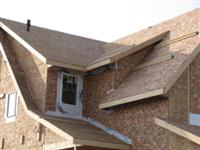
A roof replacement involves completely removing the existing roof down to the decking and installing a brand-new roofing system. This process includes replacing all the roofing components, such as:
- Roof decking
- Roof flashing
- Underlayment
- rip edge
- Ice and water shield
- Roofing material (e.g., shingles, tiles, metal)
- Ridge capping
- Roof vents
- Pipe boots
This comprehensive approach ensures that any underlying issues are addressed, and the new roof is installed correctly, providing better protection and longevity for your home.
How Your Calgary Roofing System Works

Rood Deck
Making sure the appropriate roof deck is under the shingles you have to install is critical to ensure optimal shingle performance. The roof deck should be in good condition: dry, clean, smooth, and securely nailed. If shingles are installed over an unacceptable roof deck, it may void the manufacturer’s warranty. Any part of the deck that is rotted must be replaced. Roof decks must be at least 3/8″ thick approved wood.
Drip Edge
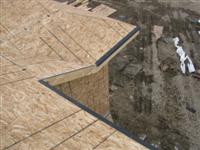
Drip edge is a metal edge that is placed along the bottom edge of the roof to help direct water into the eavestroughs. When rain and snow melt run off a roof there is a tendency for it to curl under the bottom edge of the shingles. This wets the bottom edge of the roof deck and causes it to rot.
Eaves Protection
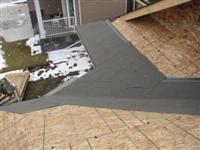
Ice & Water protector membrane is used for the superior protection it provides. It is a continuous membrane that adheres to roof decking under your roofing shingles in areas subject to ice damming. It prohibits water that might get under your shingles from reaching your wood structure. This membrane is made to seal nail penetrations from your shingle installation. Ice and Water protector is usually applied above eaves extending up past the interior wall of house at least one foot, and in valleys.
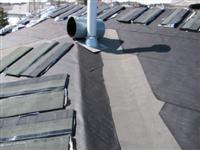
Roof Deck Protection
Underlayment felt paper is an asphalt-saturated felt installed between the roof deck and the roof shingles. It provides secondary weather protection during a wind-driven rain or snow storm and in some cases protects your home when shingles may be blown off during very high winds. It also helps prevent “picture framing” which is the visible outline of deck panels, caused by roof irregularities in the decking thickness. RAKE EDGE
A long and narrow piece of metal which is installed along each end of your roof deck, or gable ends. This metal edge should be installed over the underlayment or eave protection. This edge protects the gable end decking against wind driven rain and snow.
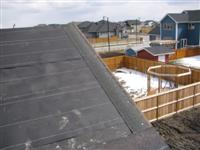
Starter Strip Shingles
Ice & Water protector membrane is used for the superior protection it provides. It is a continuous membrane that adheres to roof decking under your roofing shingles in areas subject to ice damming. It prohibits water that might get under your shingles from reaching your wood structure. This membrane is made to seal nail penetrations from your shingle installation. Ice and Water protector is usually applied above eaves extending up past the interior wall of house at least one foot, and in valleys.
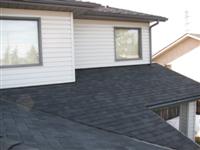
Shingles
Shingles come in a variety of styles and colours to suit every home and homeowner. Architectural or ‘dimensional’ shingles are the most popular choice nowadays offering a much better look than standard 3-tab shingles. Shingles are made with a fiberglass base instead of the old method of organic (wood fiber) based. Both are made with asphalt. Asphalt shingles are economical and very versatile, which may be why they represent more than 80 percent of the roofing market.
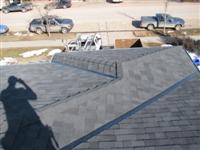
Metal Valleys
We recommend using the open valley method which is to install a metal valley flashing and then cut the shingles on both sides of the center line of the valley exposing 2.5 inches at the top of the valley and 4.5 inches at the bottom. The reason for this is that the metal channel that is created will allow the water to run smoothly down to the eavestrough. Also, the metal valley will stay intact for the life of your shingles. The woven or closed-cut valley system will become unsightly and wear out first because all the water from your roof drains there. The life of your roof system will be shortened because of worn valley shingles.
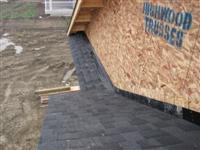
Wall and Step Flashing
The most vulnerable areas of a roof are where the sloped roof meets a vertical wall, like the wall of a dormer window, or where a garage attaches to the two-storey section of the house. The best practice for protecting these vulnerable areas against rain and moisture intrusion is to use step flashing integrated with the shingles, or wall flashing placed over shingles extending up wall.
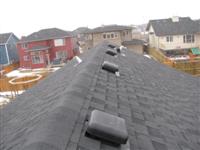
Ventilation
Proper air circulation will greatly reduce the chance of leaking, blistering, curling and many other potential problems. To tell if a home’s ventilation is inadequate, several signs appear in the home’s attic. Those signs include an attic that is hot and stuffy compared to the rest of the house, stagnant air, unbroken darkness indicating blocked or non-existent openings, and water stains/mold on the underside of the decking.
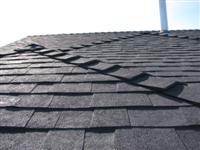
Ridge Cap Shingles
High profile constructed ridge cap shingles are designed to provide a high-quality alternative to using cut up 3-tab shingles to protect this important area. Their dramatic high-profile design adds dimension, depth and texture, while enhancing your home’s aesthetic appeal by accentuating the roof-line.
Frequently Asked Questions (FAQs) About Roof Replacement
When it comes to roof replacement, understanding the process, costs, and benefits can make a significant difference for homeowners. Below are some common questions that individuals often have regarding roof replacement services.
1. Why should I consider a roof replacement?
Replacing a roof is crucial for preserving the structural integrity of a home. As time passes, roofs may experience deterioration from environmental factors, aging, or insufficient maintenance. Installing a new roof not only improves the aesthetic appeal of your property but also boosts its market value and enhances energy efficiency.
2. How do I know if I need a roof replacement?
Indications that a roof replacement is necessary include multiple leaks, missing shingles, significant wear and deterioration, and noticeable sagging. Engaging a reputable roofing contractor to perform a comprehensive inspection can provide clarity on the most appropriate course of action.
3. What materials are commonly used for roof replacements?
Common materials utilized for roof replacements are asphalt shingles, metal roofing, tiles, and slate. Each material presents its own advantages and disadvantages. A qualified roofing contractor can assist homeowners in identifying the most suitable option based on their specific needs and budgetary constraints.
4. How long does a roof replacement typically take?
The timeline for a roof replacement depends on several variables, including the dimensions and style of the roof, prevailing weather conditions, and the scheduling availability of the roofing contractor. Generally, the majority of roof replacement projects can be finished within a timeframe of a few days to one week.
5. What are the costs associated with a roof replacement?
The expenses associated with a roof replacement can significantly fluctuate based on factors such as the choice of materials, the size of the roof, labor costs, and any additional features. To gain a precise understanding of potential costs, homeowners are advised to obtain detailed estimates from qualified contractors.
6. Will my homeowner’s insurance cover the cost of a roof replacement?
Most homeowners’ insurance policies typically include coverage for roof replacement resulting from storm damage or other unexpected incidents. It is advisable for homeowners to reach out to their insurance provider to gain a clear understanding of their coverage and to learn the required steps for initiating a claim.
7. Can I stay in my home during the roof replacement?
Although it is generally feasible to stay in your home during a roof replacement, you should anticipate some noise and potential disruptions. Homeowners are advised to have a discussion with their roofing contractor to ensure a comfortable and smooth experience throughout the process.
8. How can I maintain my roof after replacement?
Consistent maintenance is essential for extending the life of a new roof. Homeowners are advised to arrange regular inspections, remove debris, monitor for leaks, and promptly address any emerging issues to ensure their roof remains in optimal condition.
9. What should I look for in a roofing contractor?
When selecting a roofing contractor for replacement services, homeowners should take into account several essential factors, including licensing, insurance coverage, industry experience, customer testimonials, and warranty options. A reliable roofing contractor will ensure effective communication and offer a transparent estimation process.
By providing answers to these commonly asked questions, homeowners can enhance their understanding and boost their confidence in the decision-making process related to roof replacement. Whether contemplating a replacement or seeking additional support, enlisting the help of a professional service can significantly contribute to a positive result.
Insurance Claim Specialists
Home and business owners sometimes fail to file insurance claims because they do not recognize the signs of damage. This is often the case with wind or hail damaged roofs. But over time, the damage continues to deteriorate your roof system and will be more expensive to fix and probably will not be covered through your insurance. Call Daza Roofing for a FREE roof inspection to ensure that your home or business has not been damaged by recent storms.
Call today to schedule a storm damage inspection.If you are looking for more information about a professional Calgary roofing company, then please call us today at 403-542-2592 or complete our online request form for a free estimate.
complete our online request form for a free estimate.